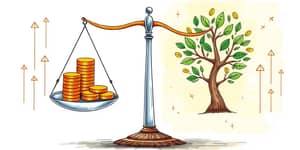
In 2026, too many Americans feel trapped by their finances, living paycheck-to-paycheck or burdened by debt. But true financial freedom isn’t about amassing a multi-million-dollar nest egg and retiring early; it’s about money no longer drives major life decisions. By setting up simple systems and embracing the Flow System, you can transform your relationship with money and work toward a life guided by choice rather than necessity.
Financial Independence (FI) demands enough investment assets to cover all your basic living expenses indefinitely—often using the 25x rule: $50,000 annual costs require $1.25 million investments. While admirable, this goal can feel decades away for most households.
Financial freedom, by contrast, equips you with a cushion that lets you walk away from undesirable jobs, negotiate better offers, or simply choose how you spend your time. You might still work—but you choose projects that ignite your passion, not just pay the bills. It’s about creating optionality and reducing daily stress.
Recent statistics reveal a nationwide struggle. Sixty percent of Americans cannot cover a $1,000 emergency without incurring debt. The median savings balance hovers around $8,000, while nearly half of households live paycheck-to-paycheck—including many earning six figures.
One in three reports that expenses exceed income, with common pitfalls like housing consuming 40–50% of take-home pay and average new car loans exceeding $700 per month (excluding insurance and maintenance).
At the heart of the Flow System lies automation. By wiring savings, investments, and bill payments into recurring systems, you eliminate decision fatigue and let your money work quietly in the background.
Major expenses often eat up your margin before you see it. Housing costs above 30% of income reduce flexibility, while new car payments at $700+ per month can derail long-term goals. Opting for a reliable used vehicle can save tens of thousands over years, allowing those funds to compound in investment accounts.
Similarly, setting a realistic monthly food budget—and cooking more meals at home—frees up cash you can redirect toward debt payoff or savings. Small tweaks in each category can add up to thousands saved annually, fueling your financial freedom journey.
Historically, stock market returns average 7–10% annually. By investing consistently through automation, even modest contributions can grow to substantial sums. For example, investing $300 monthly at 7% from age 30 to 60 yields over $350,000. Starting earlier or increasing contributions accelerates results.
Embracing the compounding effect requires patience and discipline. Viewing each automatic transfer as a vote for your future self helps maintain motivation and prevents impulsive withdrawals.
In 2026, emerging trends like decentralized finance and digital assets offer new avenues for personal financial freedom. By owning assets directly without intermediaries, individuals gain greater control over their wealth and potential returns.
The newly released Financial Freedom Index (FFI) evaluates top corporations on practices that safeguard shareholder value and promote transparency. Monitoring these trends can offer insights into aligning your investments with your freedom goals.
Financial freedom is not an exclusive club for millionaires; it’s an achievable state you design through intentional choices and automated systems. Tonight, calculate your personal margin—income minus expenses—and set up your first automatic transfer toward savings.
By following the Flow System—defining your why, building buffers, controlling big costs, automating contributions, and embracing a growth mindset—you’ll steadily move from stress to control. Start today, and watch small actions compound into life-changing financial freedom.
References