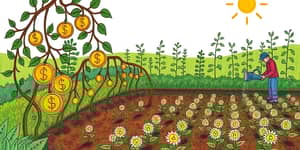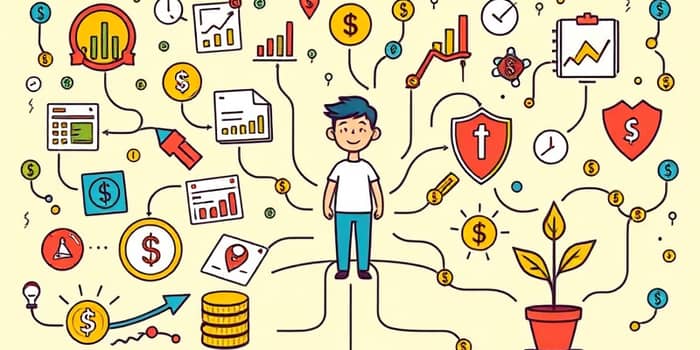
In today’s rapidly changing world, financial stability is more than earning a paycheck—it’s about building a self-sustaining system that supports your dreams and weathers life’s storms. By embracing the concept of a personal economy, you can align every resource—money, time, energy, and skills—into a coherent strategy that fuels growth and offers security.
At its core, your personal economy reframes how you view your finances, treating them as an interconnected system rather than isolated transactions. Personal economics dives into how individuals make choices about earning, spending, saving, and investing, emphasizing the long-term impact of each decision.
It’s essential to recognize that this approach involves more than dollars and cents; it demands holistic management of all personal assets, including non-financial resources like time and energy. When you see every activity and resource as part of your economic ecosystem, you gain the power to optimize and grow in sustainable ways.
Every robust financial ecosystem relies on four fundamental pillars. By strengthening each pillar, you create a balanced structure that supports both daily needs and future ambitions.
Monitoring the gap between assets and liabilities reveals your net worth, akin to the vital signs of your financial health. Regular check-ins and adjustments ensure you remain on track.
A truly resilient economy encompasses a wider scope than the basic pillars. Embrace these five components to cultivate stability and growth over time.
Developing habits like automatically transferring a portion of your paycheck into savings transforms intentions into lasting routines. Over time, these habits compound, fortifying your economic foundation.
The National Endowment for Financial Education’s Personal Finance Ecosystem offers a roadmap for comprehensive financial well-being. It highlights three interlocking domains: foundational factors, financial knowledge and access, and an actions-outcomes feedback loop.
Foundational factors include your values, beliefs, family influences, and local environment. These elements shape how you approach money and risk.
Financial knowledge and access combine literacy with the real-world ability to choose financial products, open accounts, and leverage services. Without both, learning alone remains theoretical.
The actions-outcomes cycle underscores that every decision—big or small—affects your situation. Unexpected events, or shocks, can be positive (a job bonus) or negative (an emergency expense). By fostering a continuous feedback loop between decisions and adjustments, you keep your ecosystem resilient.
Understanding what drives your financial behavior empowers you to enact meaningful improvements. Key influences range from your innate risk tolerance to broader socioeconomic conditions.
To ignite progress, NEFE identifies four catalysts for change that operate at different ecosystem levels:
By leveraging these catalysts, you can transform insight into action, reinforcing the foundational pillars of your economy.
Moving from theory to practice involves concrete steps across every dimension of your ecosystem. Start with a clear budget: map income against expenses, identify areas to cut costs, and allocate funds for savings and investments.
Debt management is critical. Prioritize high-interest liabilities and consider consolidating or refinancing to reduce rates. Building and maintaining a strong credit profile opens doors to lower borrowing costs and better opportunities.
Long-term planning, such as retirement or education funding, benefits from consistent, automated contributions. Investments, even modest ones, harness the power of compound growth to build wealth over decades.
Your personal economy extends beyond finances to include time and energy. Treat these as valuable assets. Allocate time blocks for financial reviews, learning new skills, and pursuing side ventures.
Employ productivity tools and apps to streamline tasks and free up mental bandwidth. When you savor incremental wins—paying off a debt, hitting a saving milestone—you reinforce positive habits and maintain momentum.
Creating a robust personal economy is an ongoing journey of learning, action, and adaptation. By treating every resource as part of a unified system, you unlock the power to craft a life of security, freedom, and purpose.
Start today: evaluate your pillars, embrace core components, and activate the catalysts that resonate with you. Over time, your ecosystem will grow stronger, ready to support your aspirations and withstand life’s inevitable changes.
References