The modern retail landscape is witnessing a remarkable shift as consumers, businesses, and communities embrace pre-loved products like never before. This movement extends beyond thrifting for fun—it’s a powerful economic engine fostering sustainability, affordability, and creativity. In this article, we explore the forces driving the second-hand revolution and offer practical guidance for anyone looking to participate in this thriving ecosystem.
Over the past decade, the second-hand sector has transformed from a niche pastime into a multi-billion-dollar industry. In the United States alone, the market was valued at $56 billion in 2025, marking a 14.3% increase from the previous year. Globally, projections estimate the second-hand market will soar to $350 billion by 2025, with some forecasts reaching $523 billion in 2024.
Sustainability and environmental consciousness have become key motivators behind this surge, as consumers seek affordable alternatives that reduce waste. Traditional thrift operations now represent 46.4% of the U.S. market, while resale platforms account for 53.6%. Since 2018, resale has grown by an astounding 650%, dwarfing the 36.8% growth of traditional thrift models.
Such momentum underscores that this trend is more than a fleeting fad—it’s reshaping how we view ownership, consumption, and value.
No discussion of recommerce is complete without apparel, which now commands over 9% of the total U.S. clothing market. From 2023 to 2024, second-hand clothing sales jumped 14%, and they’re expected to climb 9% annually through 2029. Online resale platforms, in particular, are set to exceed $45 billion by 2029.
Exceptional momentum relative to traditional retail is evident when you consider that clothing resale grew fifteen times faster than general retail apparel in 2023. Millennials and Gen Z shoppers are fueling this growth, drawn by unique finds, budget-friendly prices, and the thrill of hunting hidden gems.
The rise of e-commerce has been a game-changer for second-hand markets. Online resale experienced a 23% year-over-year growth in 2024, and consumers now spend an average of $655 per year on pre-owned apparel—projected to reach $788 by 2025.
Today, 93% of Americans have purchased something second-hand, and more than 50% have sold items themselves. This democratization of commerce demonstrates that recommerce is no longer confined to city thrift stores—it’s a universal phenomenon accessible to anyone with a smartphone or a local consignment shop.
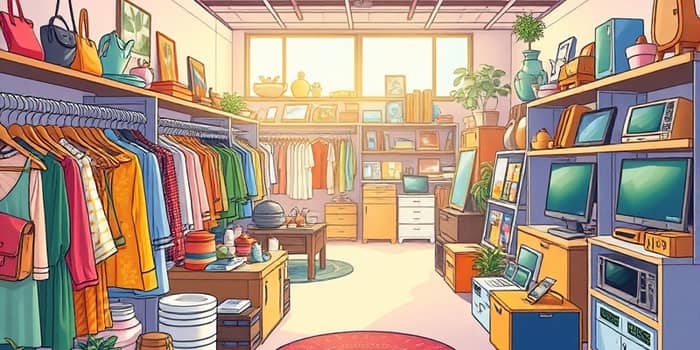
While apparel often captures headlines, the second-hand market spans far more categories. Electronics, furniture, home goods, sports equipment, baby items, and car parts make up a significant portion of transactions, collectively representing 75% of total sales.
Consumers appreciate both the cost savings and reduced environmental footprint. For instance, refurbished electronics can cost 30–50% less than new models and often carry warranties. Similarly, pre-owned furniture offers unique design style at a fraction of retail prices, inviting creativity in home décor.
Whether you’re a bargain hunter or an entrepreneur, there are proven strategies to maximize rewards in the second-hand economy.
By treating each listing as a mini marketing campaign, sellers can command higher prices and attract loyal followers. Consumers, on the other hand, benefit by staying patient, setting alerts for target items, and negotiating respectfully.
Forecasts for the next decade paint a vibrant future. The global second-hand market is expected to grow at a 10–13% CAGR, potentially surpassing $1.4 trillion by 2032. In the U.S., the market may hit $90 billion by 2032, with resale constituting 63% of that total.
Shift in mindset from ownership to access is driving new business models, such as subscription-based wardrobes and on-demand rental services. Luxury resale continues to flourish, representing 20–25% of total resale revenues and appealing to affluent buyers seeking premium brands at lower prices.
Moreover, the circular economy movement is accelerating legislative and corporate initiatives aimed at reducing waste and promoting reuse. Brands are launching take-back programs, and governments are exploring tax incentives for donations and recommerce activities.
The second-hand secret lies in recognizing the lifecycle value of every product. Whether you’re decluttering your home, launching a reselling side hustle, or simply hunting for a unique find, there’s never been a better time to participate in this dynamic market.
By harnessing digital tools, understanding consumer motivations, and committing to quality, you can unlock new streams of income, foster sustainable habits, and join a global community dedicated to mindful consumption. The world of used goods is brimming with opportunity—step in, explore, and discover the hidden treasures waiting to be claimed.
References