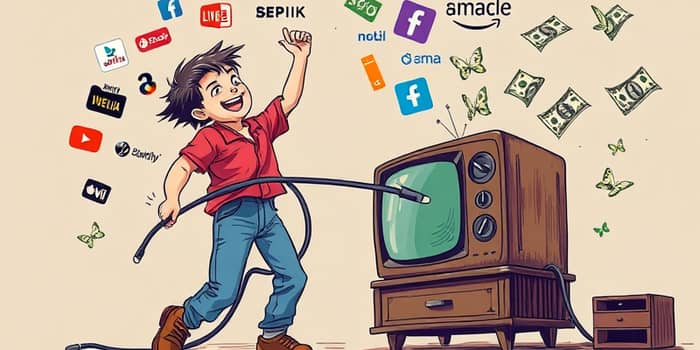
Embracing the shift from traditional pay TV to streaming can feel like stepping into a new world of choice and flexibility. This transformation puts you in the driver’s seat, allowing you to take control of your entertainment budget and decide exactly what you want to watch, when you want to watch it.
Over the past several years, the landscape of home entertainment has undergone a profound metamorphosis. In 2018, roughly 37 million U.S. households had already cut the cord. By 2025, that number is expected to double, surpassing 77 million. Projections indicate that by 2026, there will be more cord-cutters than traditional pay-TV subscribers.
This seismic shift reflects a growing dissatisfaction with bundled cable packages and skyrocketing fees. Cable subscriptions have declined from 77.5 million in 2020 to 68.7 million in 2024—a nearly 5% drop in a single year. Younger audiences aged 18 to 34 lead the charge, with more than half having already severed ties with cable.
Urban areas show the highest adoption rates, where nearly 45% of households stream exclusively, compared to 30% in rural regions. Meanwhile, a significant segment of “cord nevers” has emerged: nearly 12% of internet-connected homes have never subscribed to pay-TV.
When evaluating your options, understanding the numbers is critical. Traditional cable providers charge premium rates with limited flexibility, while streaming services offer modular choices that can be tailored to your lifestyle.
While a single cable plan can cost well over $150 per month, subscribing to all major premium, ad-free streaming platforms averages around $140 monthly. However, most households don’t need every service. By carefully selecting platforms that match your viewing habits, you can enjoy high-quality content without interruption at a fraction of the cost.
Designing a bespoke streaming lineup begins with assessing your personal preferences and budget. Instead of paying for dozens of channels you rarely watch, focus on the services that deliver the shows and movies you love.
By following these steps, you can design a personalized media experience that evolves with your interests and schedule.
The streaming ecosystem continues to grow, with new services launching and pricing models shifting regularly. In 2024 and 2025, many platforms increased costs: Disney+ rose to $18.99 per month, Netflix’s ad-free tier climbed to $17.99, and Apple TV+ adjusted to $12.99. These changes emphasize the importance of ongoing vigilance.
Set calendar reminders to evaluate your subscriptions every three to six months. Monitor promotions, bundle offers, and annual discounts. Some platforms reward yearly commitments with up to 15% savings, so consider upgrading if you’re a dedicated viewer.
For households seeking live local channels and sports, blended services like YouTube TV or Hulu + Live TV may be essential despite their higher fees. In many cases, the added convenience and integrated DVR justify the expense, but it’s still possible to maximize your savings and satisfaction by pairing these with lower-cost ad-supported streaming for on-demand viewing.
Transitioning away from cable can feel daunting, but with a clear roadmap, the process is straightforward. Begin by listing your current cable channels and subscriptions. Rank them by importance, then research streaming alternatives.
Next, inspect your internet plan. A stable connection of at least 100 Mbps is recommended to support multiple devices streaming simultaneously. If necessary, upgrade or negotiate with your provider for a better rate, emphasizing your potential cancellation.
Once everything is in place, schedule your cable disconnection. Inform your provider in advance, return any rented equipment, and double-check that all your chosen services are active and working seamlessly.
Cutting the cord is more than a financial decision; it’s a commitment to unlock a world of flexible viewing options. You no longer have to wait for broadcasts or sift through endless channel guides. Instead, you control your entertainment journey.
Whether it’s binge-watching a new series on a quiet Sunday afternoon or catching a live game on your mobile device, the possibilities are endless. Families can share user profiles, children’s content can be locked down, and travel won’t disrupt access to beloved shows.
Most importantly, the savings accumulate quickly. Average annual savings can exceed $1,000 per household, freeing resources for other passions—be it travel, hobbies, or home upgrades.
Embracing cord-cutting is a powerful step toward a more intentional media experience. By understanding market trends, comparing costs, and following practical steps, you can build a streaming ecosystem that fits your lifestyle and budget.
In a world where content is king, your choices matter more than ever. Seize the opportunity to break free from outdated cable constraints and forge a media path that reflects who you are and what you love.
References