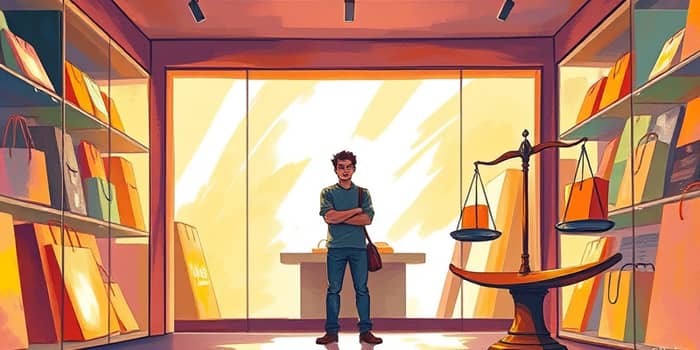
Retail therapy has become a go-to strategy for many seeking relief from stress, sadness, or anxiety. At its core, it involves spontaneous purchases—often unplanned treats—to reignite positivity. This behavior taps into the brain’s reward system, delivering short-term psychological benefits and relief through bursts of pleasure.
However, while a new pair of shoes or a coveted gadget can brighten the moment, the aftermath may bring overspending and regret. Nearly half of consumers report shopping to feel better, yet a majority also admit to unplanned impulse purchases with regret. This cycle raises critical questions about how to enjoy retail therapy without compromising financial health.
In this article, we’ll delve into the neuroscience behind emotional spending, examine real-world data on its prevalence and impact, expose the pitfalls of excessive buying, and offer smart alternatives for sustainable happiness. By understanding both the benefits and risks, readers can embrace mindful habits that support well-being and budget alike.
When you browse items online or wander through store aisles, your brain lights up in anticipation. This buildup leads to release of dopamine, serotonin, endorphins, often called “happy hormones.” The mere act of adding something to a cart can trigger a sense of excitement and hope.
Research highlights three key mechanisms:
Understanding prevalence and demographic patterns can guide healthier habits. A LendingTree survey of 2,000 U.S. adults revealed that:
Gen Z and millennials are most susceptible to debt and regret, with nearly half reporting adverse financial consequences. Economic uncertainty drives 38% of consumers to spend more, while modern payment options like buy-now-pay-later programs further loosen spending limits.
During the COVID-19 pandemic, retail therapy offered relief from isolation, depression, and anxiety. Yet post-pandemic, shopping patterns continue to reflect emotional needs rather than necessity alone.
While occasional indulgences can uplift mood, chronic emotional buying poses serious risks. Overspending often leads to mounting credit card balances, payday loans, or payday advances. In extreme cases, individuals develop compulsive buying disorder (CBD), characterized by:
Research indicates a strong link between mood disorders and CBD: between 21% and 100% of those with shopping addiction also struggle with depression or anxiety. The repetitive dopamine-driven cycle can mirror substance-related addictions, making it difficult to break without targeted intervention.
Beyond financial strain, compulsive buying can damage relationships, undermine self-esteem, and foster guilt. When the emotional payoff no longer outweighs the cost, many find themselves trapped in a burden of credit card debt and remorse.
True emotional resilience comes from combining self-care with financial responsibility. Consider these strategies to transform retail urges into sustainable habits:
Therapeutic approaches, such as cognitive behavioral therapy, can also help reframe spending triggers and strengthen coping skills. By addressing emotional roots, individuals reduce reliance on material solutions for stress or sadness.
Retail therapy can be a double-edged sword: delivering temporary relief from negative emotions while carrying the risk of financial harm if left unchecked. By appreciating its psychological underpinnings and recognizing personal spending patterns, consumers can harness the benefits without succumbing to debt or compulsion.
Incorporating mindful practices—like anticipation, budgeting, and alternative coping methods—fosters long-term satisfaction and emotional balance. When shopping becomes a thoughtful choice rather than an impulsive reaction, it transforms from a fleeting remedy into a sustainable source of joy and empowerment.
References