In an age defined by rapid change and uncertainty, true wealth transcends mere numbers in a bank account. It is about having options and freedom, the ability to choose your path and shape your future.
This article offers a comprehensive, actionable guide to building and preserving wealth in a way that arms you for today’s challenges and secures prosperity for generations to come. By weaving together practical strategies and inspiring philosophies, you’ll learn how to cultivate your resources sustainably and purposefully.
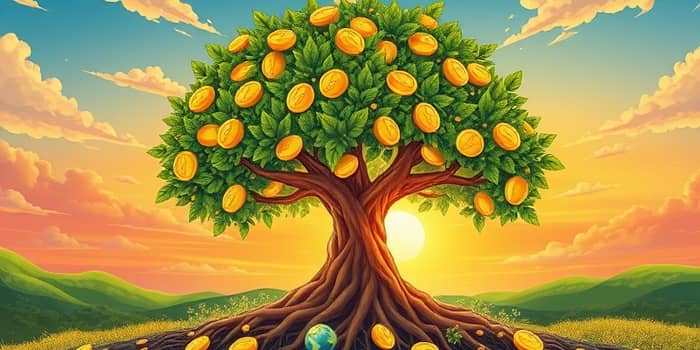
Wealth is fundamentally about freedom: financial, emotional, and generational. It empowers you to pursue passions, support loved ones, and contribute positively to society. Real wealth isn’t created overnight; it grows like a well-rooted tree, nourished by sound decisions and consistent effort.
At its core, financial stability requires a balanced approach that harmonizes income growth, expenditure management, and capital preservation. This triad forms the foundation for long-lasting prosperity, allowing you to weather market fluctuations and personal challenges alike.
To grow your wealth sustainably, focus on three interconnected pillars: generating income, reducing spending, and preserving capital. Together, they create a virtuous cycle of growth and security.
Expanding your income streams is essential for building a resilient financial portfolio. Diversification mitigates risk and opens doors to new opportunities.
Minimizing unnecessary outflows ensures that more of your earnings can flow back into your wealth-building engine. This requires mindful spending and intentional budgeting.
Once you’ve built assets, safeguarding them is critical. Protecting capital not only secures your achievements but also lays the groundwork for legacy planning.
True legacy extends beyond one lifetime. The “Family Sustainability Triangle” emphasizes three essentials: asset growth, talent development, and unity.
Foster growth of assets through prudent investment. Cultivate family talent by educating heirs in entrepreneurship and financial literacy. Above all, prioritize family unity—shared values and transparent communication are the glue that binds generations.
As we navigate the decade ahead, investors increasingly seek alignment between risk-adjusted returns and environmental or social impact. Several growth areas stand out:
Green Bonds and Impact Debt now total nearly €1.9 trillion globally, financing renewable energy, green buildings, and low-carbon transport.
Decarbonization strategies, guided by frameworks like the Net Zero Investment Framework and TCFD, are moving from pledges to measurable action.
Climate adaptation and resilience investments are gaining traction as governments and private actors recognize the need to fortify communities against extreme weather and resource scarcity.
Nature-positive portfolios and labor-aware investing represent the next frontier, balancing profitability with ecological stewardship and workers’ welfare.
Beyond profit, a new paradigm emerges: values-based wealth building. Companies are adopting shared ownership structures and investing in community development. Leaders take meaningful action on climate while forging pathways for their entire teams to thrive.
On an individual level, reflect on your financial identity—prioritize goals that resonate with your ethics, simplify your systems, and commit to strategies that foster positive change alongside growth.
Growing wealth sustainably is both an art and a science. It demands discipline, creativity, and a vision that spans decades. By focusing on the three pillars—income, spending, and capital—you lay a sturdy foundation.
Embrace innovation in investing, from green bonds to nature-positive projects. Anchor your journey with strong family values or community ties. In doing so, you won’t just accumulate riches; you’ll cultivate a living legacy—one that sustains you and enriches the world for generations to come.
References