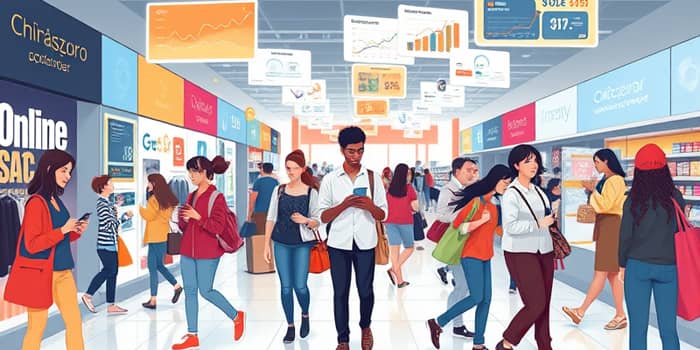
In today’s fast-paced retail landscape, brands must go far beyond mere awareness to connect deeply with consumers at the moment of purchase. This is the essence of shopper marketing and value acquisition, a data-driven discipline that transforms fleeting decisions into lifelong loyalty. By tapping into the “shopping mode” mindset, businesses can craft experiences that resonate emotionally and drive measurable results.
At its core, shopper marketing focuses on influencing behavior at the point of purchase rather than relying solely on broad brand messaging. It leverages in-store displays, digital triggers, and path-to-purchase insights to shape choices in real time. When executed effectively, it aligns short-term sales goals with long-term customer engagement, creating a virtuous cycle of growth.
Globally, 51% of consumers say they pay more for brands they know and trust, and 90% of people who have recently moved are open to trying new products. These statistics underscore how critical it is to meet shoppers with timely, relevant experiences that convert on the spot and foster repeat visits.
Shopper marketing differs from traditional consumer marketing by emphasizing real-time engagement in purchasing journeys. Whereas consumer campaigns build general awareness over time, shopper tactics target the exact moment of decision, whether on a crowded shelf or a mobile checkout page.
This discipline is underpinned by four pillars: consumer insights, targeted campaigns, retailer collaboration, and omnichannel execution. By integrating online and offline touchpoints, brands can ensure consistency and relevance across every channel.
Cultural adaptation plays a vital role. Tailoring product packaging, in-store signage, and digital content to local preferences increases resonance. For example, a global electronics brand localized its displays to reflect regional aesthetics and saw a 13% lift in conversion rates, demonstrating the power of context-aware marketing.
Shopper marketing offers measurable gains for brands, retailers, and the consumers they serve. The collaborative nature of this approach unlocks value at every level.
Additional outcomes include habit formation—51% of global shoppers prefer known brands over cheaper alternatives—and richer behavioral insights that inform future campaigns.
Implementing a comprehensive shopper marketing framework involves five interlocking strategies. Each stage of the shopper journey must be optimized with precision and empathy.
By weaving these elements together, brands can craft seamless experiences that resonate at the right time, in the right place, and with the right message.
Audience identification begins with creating detailed buyer personas based on demographic, psychographic, and behavioral data. Predictive analytics can boost conversion rates by up to 30% by forecasting purchase intent. Segmentation further refines targeting—lookalike audiences, retargeting recent visitors, new movers, and seasonal clusters each respond to tailored messages.
McKinsey reports that personalized marketing efforts drive a 40% revenue increase and higher customer satisfaction. For instance, an online fashion retailer implemented AI-driven product recommendations and saw a 13% uptick in conversions along with a 4% average order value lift through best-seller suggestions and customer reviews.
Channel selection is equally important. In-store tactics like optimal shelf placement, thematic endcaps, and co-tenant synergies capture attention in high-traffic zones. Digital strategies—search engine optimization, social media campaigns, email marketing—provide continuous engagement. Integrating these channels ensures that shoppers experience a unified narrative whether they’re browsing aisles or scrolling feeds.
Promotions spark immediate action. Flash sales, bundle discounts, and gamified loyalty programs create excitement. For high-value segments, personalized offers delivered via mobile push or direct mail can yield conversion rates three times higher than generic promotions. Subscription models and membership perks then lock in recurring revenue while strengthening emotional ties.
Collaboration magnifies impact. Working closely with retailers provides access to in-store real estate and propriety shopper data. Influencers and affiliate partners lend credibility and extend reach. When partners agree on shared performance metrics and analytics, campaigns become more transparent, efficient, and scalable.
Robust measurement practices are the backbone of continuous improvement. Key performance indicators reveal which tactics move the needle and where budgets should be allocated.
A centralized CRM unifies data and automates reporting. A/B testing variations of displays, digital ads, and promotional offers uncovers the most compelling combinations. In mature or high-churn markets, shifting resources toward retention—through loyalty campaigns and personalized re-engagement—often yields a better return than aggressive new acquisition.
As we move into 2026, shopper marketing continues to evolve at the intersection of technology and human insight. Leading trends include:
By embracing these innovations and keeping the shopper at the center of every decision, brands and retailers can craft experiences that not only drive sales in the moment but also build enduring loyalty. In a world where consumer expectations evolve rapidly, mastering the art of value acquisition through shopper marketing is the key to sustained success.
References