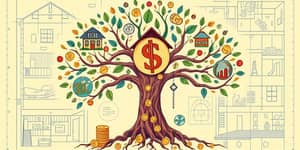
In today’s shifting economic landscape, Americans face rising costs, variable interest rates, and unprecedented credit card debt. While 73% of adults feel they’re “doing okay financially,” 37% would struggle to cover a $400 emergency. Establishing a resilient savings plan is no longer optional—it’s essential for weathering uncertainty.
This comprehensive guide will inspire you to take control of your finances, offering practical tools and heartfelt encouragement. With clear steps and smart savings strategies, you can build a financial cushion that stands firm through life’s twists and turns.
Before you chart a course forward, take stock of where you stand today. Review your monthly income, debts, and recurring expenses. Recognize that your savings journey begins with self-awareness and proactive financial management.
Tracking your spending over the past year reveals hidden patterns: subscription creep, impulse purchases, or overlooked utilities. Armed with this knowledge, you can allocate resources more effectively and make informed decisions that align with your goals.
The 50/30/20 framework offers a simple yet powerful roadmap:
Create your budget with these steps:
People who adopt a written budget are significantly more likely to reach their goals. Treat this plan as a living document, revising categories as circumstances change.
One of the most effective ways to grow your stash is to automate contributions, turning savings into a non-negotiable expense. When funds move out of sight, they become harder to spend impulsively.
Consider these payroll and banking options:
• Split deposit: Direct a fixed percentage of each paycheck to a retirement or savings account. This approach treats savings like rent or utilities—essential and unavoidable.
• Automatic transfers: Schedule transfers from checking to savings on payday. Even modest amounts, steadily applied, accumulate impressively over time.
Apps like YNAB, Mint, and Copilot, along with round-up tools such as Acorns, reinforce this strategy by nudging you toward consistent contributions.
A robust emergency fund absorbs shocks—job loss, medical bills, car repairs—without derailing your progress. Aim to accumulate three to six months’ worth of living expenses in a high-yield savings account.
Follow a phased plan that scales with your comfort level:
Starting small reduces intimidation; increasing contributions over time keeps momentum. Remember, an emergency fund is a critical priority before other goals.
Traditional savings accounts offer minimal interest—often below inflation. High-yield savings accounts (HYSAs) can boost growth without sacrificing liquidity. Online banks like Ally, Discover, and North American Savings Bank regularly top rate charts.
When comparing options, consider:
Shopping around is wise; rates can fluctuate, and switching to a better account might raise your effective yield by hundreds of dollars annually.
Savings accounts stabilize your finances, but investments power long-term wealth building. Contribute to tax-advantaged accounts—401(k)s, Roth IRAs, HSAs—to maximize compound growth and minimize taxes.
Key strategies include:
• Maximize employer-matching contributions in your 401(k); it’s effectively free money.
• For 2026, Roth IRA contributions can reach $7,500, offering tax-free growth.
• Diversify across asset classes—stocks, bonds, real estate—and lean toward low-cost index funds or ETFs to reduce fees and capture broad market gains.
With a multi-year horizon, the stock market historically outpaces savings account yields, making it an essential component of a comprehensive plan.
High-interest debt can erode progress. Pair accelerated repayment with routine cost-cutting reviews. Use AI-driven tools like Rocket Money to identify and cancel unused subscriptions, then negotiate service contracts for internet, insurance, and utilities annually.
Adopt these money-saving habits:
Meal planning, bulk buying, and composting reduce waste and food costs. Every dollar saved on expenses can be redirected into your savings or investment accounts.
Investing in energy efficiency not only safeguards the planet but also yields substantial financial incentives. Federal tax credits support solar panel installations, energy-efficient windows, and smart home upgrades.
Hybrid or electric vehicles qualify for state rebates and reduce long-term fuel expenses. By aligning your savings plan with eco-friendly choices, you cultivate a dual benefit for wallet and environment.
Advances in fintech have transformed how we manage money. AI-powered budgeting apps automatically categorize expenses, flag unusual transactions, and recommend adjustments tailored to your spending patterns.
Digital banking innovations, including pilot programs for central bank digital currencies, hint at a future where money moves faster and more transparently. Investment platforms like Fidelity Go, Robinhood, and E*TRADE now offer automated portfolios, real-time analytics, and minimal fees.
Embrace these tools as partners in your journey, harnessing data-driven insights to refine your approach and amplify results.
Defining precise objectives motivates consistent action. Use the S.M.A.R.T. method—Specific, Measurable, Achievable, Relevant, Time-bound—to craft targets. Label each goal distinctly: “Paris Trip Fund,” “Six-Month Emergency Safety Net,” or “Down Payment Account.”
Create visual trackers: spreadsheets, whiteboards, or app dashboards. Celebrate milestones as you reach each threshold. Regular check-ins—monthly or quarterly—allow you to recalibrate and reinforce mindful spending habits.
No one can predict the future, but a steadfast savings strategy provides confidence and resilience. By combining disciplined budgeting, automation, strategic investing, and sustainable choices, you build a lasting foundation.
Embrace flexibility: revise your plan when life events or market shifts occur. Keep learning—financial literacy empowers you to navigate challenges and seize opportunities.
Let your financial journey be defined by intentional actions, unwavering commitment, and the joyful peace that comes from knowing you’ve built a truly stable future through smart savings.
References