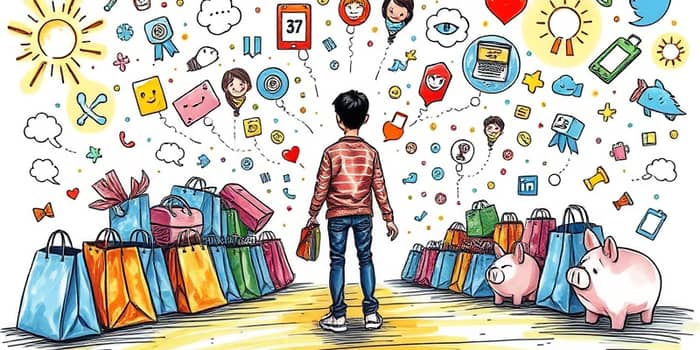
Every purchase carries more than just a price tag—it taps into the exhilarating rush of shopping and activates reward centers in our brain. Whether it’s the dopamine spike when clicking “buy now” or the fleeting comfort of retail therapy, spending habits often defy simple logic.
“Money isn’t just about numbers—it’s deeply intertwined with our emotions, habits, and psychology.” Understanding why we spend unlocks the door to financial freedom. This article explores the roots of your money mindset, highlights common pitfalls, and offers practical tools to transform impulse into intention.
Your relationship with money takes shape early in life. Childhood experiences, cultural norms, and family conversations about savings or debt all contribute to your core beliefs about wealth. Did your parents celebrate every sale, or emphasize frugality? Such influences shape whether you see yourself as a "spender" or a "saver."
Emotional triggers also play a powerful role. Research from the Journal of Psychological Science shows that stress and sadness heighten non-essential purchases as we chase a quick mood boost. Kuhnen and Knutson’s brain imaging study further confirms that simply anticipating a purchase lights up dopamine pathways, making shopping feel like a reward.
Social cues add another layer. From weekend mall trips with friends to Instagram stories flaunting the latest gadgets, peer pressure shapes spending decisions. Charles Schwab’s 2019 survey found that 35% of Americans admit to overspending to impress peers. Each like, comment, or flattering review can reinforce our drive to match others’ lifestyles.
Our brains are wired with biases that make bargains irresistible but can derail our budgets. The anchoring bias convinces us that a marked-down price truly equals a bargain, even if the original price was inflated. A scarcity mindset—“only three left in stock!”—triggers FOMO and hurried decisions.
Income gains often lead to lifestyle inflation. Data from the UK Office for National Statistics reveals a 5% average increase in household spending following earnings growth. Without conscious effort, new salary levels quickly become the norm, rather than an opportunity to boost savings.
Credit cards blur the psychological pain of payment. The so-called "moral tax on consumption" describes the guilt we suppress when swiping plastic instead of handing over cash. Over time, these small compromises can snowball into significant debt.
Freedoms lies in awareness and proactive planning. Start by identifying when and why you spend. A simple journal helps you spot patterns in mood, environment, and social influences.
Using these techniques regularly makes mindful spending second nature. Resources like financial podcasts, books, and a trusted “money buddy” can reinforce accountability and provide fresh insights.
Consider Emma, who found her wardrobe habits driven by colleague envy. By tracking her emotions, she realized weekend outlet mall trips followed stressful workdays. Substituting a group potluck for dining out fulfilled her desire for connection at lower cost.
Then there’s Mark, whose once-weekly candy bar purchase became a guilty ritual. Paying with his credit card muted the minor guilt—until he reviewed his statement and saw the cumulative cost. Switching to cash made each purchase feel real, and he cut back significantly.
Lastly, during a no-spend month, Julia discovered she was spending $150 on small non-essentials. The challenge revealed hidden leaks and sparked a commitment to allocate that money toward travel experiences instead.
Breaking free from unconscious spending patterns requires both self-awareness and consistent effort. By questioning every purchase through first principles thinking and habit stacking, you reclaim control over your finances.
Transforming your money habits isn’t about deprivation—it’s about aligning each dollar with what truly matters. When you shift from automatic consumerism to intentional decision-making, you pave the way for lasting financial peace and fulfillment.
Embrace these strategies, share your journey, and celebrate every small victory. Your wallet—and well-being—will thank you.
References