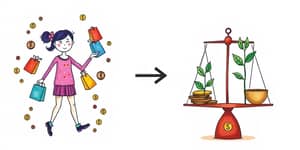
In today's economic climate, inflation has emerged as a silent thief, quietly eroding the value of your hard-earned money. US PCE inflation peaked at 6.5% in 2022, the highest rate since 1981, sending shockwaves through households and markets alike.
This reality can feel overwhelming, but it's not insurmountable. By embracing a proactive mindset, you can navigate these turbulent times with confidence and resilience.
The key lies in understanding the data and implementing practical, actionable strategies to safeguard your finances against future uncertainties.
This article will guide you through the latest trends, causes, and powerful methods to outsmart inflation, turning challenge into opportunity.
Inflation isn't just a number; it's a force that shapes everyday life. After peaking in 2022, inflation has shown signs of cooling but remains a concern.
In 2023, it fell to 3.8%, offering some relief. However, projections indicate it will average around 2.6% in 2025.
For 2026, forecasts vary due to factors like tariffs, with estimates ranging from 2.03% to 3%. This volatility underscores the need for vigilance.
To visualize these shifts, consider the table below summarizing key inflation metrics.
These numbers highlight how inflation impacts purchasing power. For instance, regional variations show Seattle at 1.33% and Dallas-Fort Worth at -0.29% in 2025-2026.
Category breakdowns reveal food and beverages at 0.70%, housing at 0.99%, and apparel at -1.68% over the same period.
Such data helps you anticipate costs and adjust your budget accordingly, making informed decisions in a fluctuating economy.
Inflation doesn't occur in a vacuum; it's fueled by specific factors. Recently, tariffs have emerged as a primary driver for projected rises in 2026.
Businesses are passing these costs to consumers, disrupting trade and reviving inflationary pressures. This comes after a post-COVID decline from a 9% peak in 2022.
Historically, inflation has reduced purchasing power, with wages often lagging behind rising costs. Consumer expectations have spiked to multidecade highs.
This enables companies to pass through price increases more easily. Understanding these causes empowers you to see beyond headlines.
It allows you to prepare for potential economic shifts, whether from policy changes or market dynamics.
To combat inflation, start with foundational habits that build financial strength. These strategies are practical, accessible, and can be implemented immediately.
First, reassess your budget by tracking spending and prioritizing essentials. Cutting non-essentials like dining out or subscriptions frees up funds.
Use apps or tools to automate this process, making it easier to stay on track. Here are key areas to focus on.
Next, manage debt effectively. High-interest debt can cripple your finances, especially during inflationary periods.
Pay down high-interest debt first to avoid escalating costs. Consider transferring balances to lower-rate options like personal loans.
Focus on variable-rate loans, as they can rise with inflation, making them a priority for aggressive repayment.
Then, optimize your savings. In a low-interest environment, letting cash sit idle can lose value to inflation.
Boost savings in high-yield accounts or share certificates that offer competitive rates. Set up auto-transfers to ensure consistency.
Avoid low-interest cash holdings; instead, seek dividends or interest growth to outpace inflation over time.
Beyond saving, investing is crucial for long-term protection. Diversify your portfolio with assets that historically perform well during inflation.
Start with inflation-linked securities, which adjust with price indexes. These offer low-risk options for beginners.
Equities can also outpace inflation over time. Companies often raise prices to maintain profits, driving stock growth.
However, they come with short-term volatility, especially if the economy contracts. Diversify with international stocks for added resilience.
Commodities and real assets provide tangible hedges. Gold, silver, oil, and agricultural commodities often rise with inflation.
Invest in these through physical assets or ETFs for easier access. Real estate and REITs also increase in value as rents and prices adjust.
General investment advice emphasizes broad diversification. No single asset is a silver bullet, so spread your investments.
Avoid long-term bonds if the Fed cuts rates, as they may underperform. Tailor strategies to retirement by incorporating TIPS and real estate.
Inflation impacts everyone differently, so customize these approaches. For retirees, fixed budgets are vulnerable to rising costs.
Protect your nest egg by adjusting investments and maintaining budget vigilance. Avoid over-reliance on credit, which can compound debt.
For working professionals, focus on building emergency funds and investing early. Use rewards from credit cards wisely, such as cashback for travel.
Always pay off balances monthly to avoid interest charges. Energy efficiency upgrades can also reduce long-term utility bills.
Consider seeking professional wealth advice if your situation is complex. Experts can help optimize your plan for inflation protection.
Outsmarting inflation isn't about drastic changes; it's about consistent, smart choices. By understanding trends and implementing strategies, you can turn challenge into advantage.
Start today by tracking your spending and exploring investment options. Remember, small steps lead to significant financial resilience.
Embrace this journey with confidence, knowing that every action brings you closer to financial freedom. The smart spender's advantage lies in proactive, informed decision-making.
References