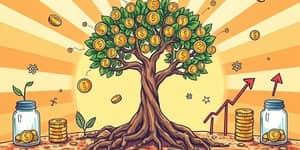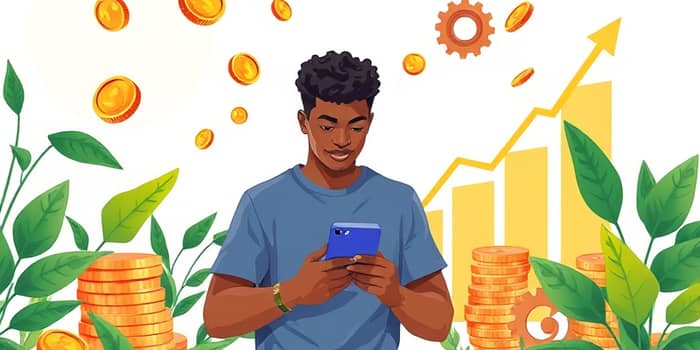
In the ever-evolving economic landscape of 2026, marked by steady GDP growth forecasts and elevated household debt, cultivating robust money habits can serve as a true catalyst for financial transformation. By focusing on consistency, automation, and proactive management, individuals can unlock opportunities that compound into long-term security and independence.
Amid these pressures, simple daily routines become the foundation for lasting progress. Small actions taken today can snowball into significant gains tomorrow.
One of the simplest yet most powerful habits is to treat savings like any other recurring bill. By setting up automatic transfers from your checking account to a designated savings vehicle, you ensure that you automate transfers to your savings before discretionary spending enters the picture. This approach removes the friction of manual transfers and builds discipline over time.
Financial experts recommend establishing a tiered strategy: first, accumulate a starter emergency fund of at least $1,000. Then, expand it to cover three to six months of living expenses. Aim to build an emergency fund of sufficient size to weather unexpected events such as job loss or medical emergencies. With interest rates projected to decline following Fed rate cuts in 2026, now is the ideal moment to lock in competitive yields through certificates of deposit or bond laddering, enhancing compound growth and security for your nest egg.
As one advisor explains, “Making better money habits in 2026 is about intentional choices... small habits compound into financial freedom.” This reminder underscores the transformative power of routine.
To grow your wealth, you must first know where it is going. Tracking every expense, no matter how small, provides clarity around spending patterns. Modern budgeting apps and intuitive spreadsheets leverage AI to categorize transactions automatically, identify waste, and forecast future cash flows. Studies show that 64% of stressed Gen Z only create budgets when prompted by financial anxiety, highlighting the need for proactive monitoring.
By analyzing your spending, you can uncover hidden leaks—from unused streaming subscriptions to impulse dining out. Redirecting just 5% of monthly expenses into savings can yield significant gains over time. Establish a simple yet adaptive budget framework—one that allocates funds to essentials, savings, investments, and discretionary categories—then revisit it quarterly to ensure it evolves with your goals.
Looking ahead, AI-driven tools will increasingly automate spending insights, detect anomalies, and even negotiate bills on your behalf, freeing you to focus on strategy over minutiae.
With U.S. household debt soaring above $18 trillion, eliminating high-interest obligations is paramount. Whether you choose the snowball method—tackling the smallest balances first—or the avalanche strategy—targeting the highest-interest loans—you must commit to regular overpayments above the minimum. Clearing debt early not only frees up cash but also saves thousands in interest fees.
Young entrepreneurs and seasoned professionals alike can benefit from prioritizing debt. Set up biweekly payments to speed up amortization and shield yourself from market volatility. By choosing to prioritize high-interest debt with accelerated contributions, you will experience a psychological boost with each account closed, fueling further momentum in your financial journey.
Once debt is under control, channel surplus funds into investments that capture long-term market growth. The age-old adage holds true: time in the market beats timing the market. Even modest monthly contributions can snowball into substantial wealth over decades. Aim to allocate at least 15% of your pre-tax income toward retirement vehicles such as 401(k)s, IRAs, or SEP plans.
For younger investors, focusing on low-cost index funds and ETFs diversifies risk while minimizing fees. With only a quarter of Gen Z participating in retirement plans and just 21% holding individual stocks, there is a wide-open opportunity to capture decades of compounding returns. Commit to invest early for compound growth with dollar-cost averaging, ensuring you buy shares at varying price points to smooth volatility and maximize future gains.
Consider Roth IRAs for tax-free growth, or a Solo 401(k) if you have self-employment income, enabling higher contribution limits. Evaluate target-date funds for a hands-off approach aligned with your retirement timeline. The goal is to create a diversified portfolio that balances growth with risk tolerance, adjusting allocations as you age or your circumstances change.
Establishing a habitual review process cements accountability. Conduct monthly financial check-ins to compare actual results against your budget, gauge progress towards milestones, and adjust allocations based on life changes. Treat this ritual as a monthly status meeting to reinforce commitment.
At the same time, practice intentional enjoyment by allocating a portion of your budget to meaningful experiences. When you embrace mindful spending and joy, you reduce impulse buys and enrich life satisfaction. Simple practices like cooking at home, purchasing quality second-hand items, or organizing free community outings can dramatically cut costs while preserving happiness.
The rise of the gig economy offers additional avenues to accelerate wealth building. Whether you freelance, drive ride-shares, or sell handmade crafts, remember to allocate approximately 30% of side income to taxes and reinvest the rest into core financial priorities.
Finally, normalize open conversations about money. Embrace “loud budgeting” by sharing goals with trusted peers, creating accountability and reducing stigma around financial planning.
In 2026 and beyond, economic climates will shift, but the power of disciplined habits remains constant. By automating savings, tracking spending, reducing debt, investing early, and maintaining regular check-ins, you create a self-reinforcing system that steadily builds wealth. These habits act as the spark that ignites lasting financial growth, empowering you to withstand volatility and seize opportunities.
Remember Holly O’Neill’s insight: “Gen Z is challenging the stereotype… working hard to become financially independent.” Your journey will have peaks and valleys, but consistent action—no matter how small—yields transformative results. Start today and let these habits be your catalyst toward a future defined by financial freedom and peace of mind.
References