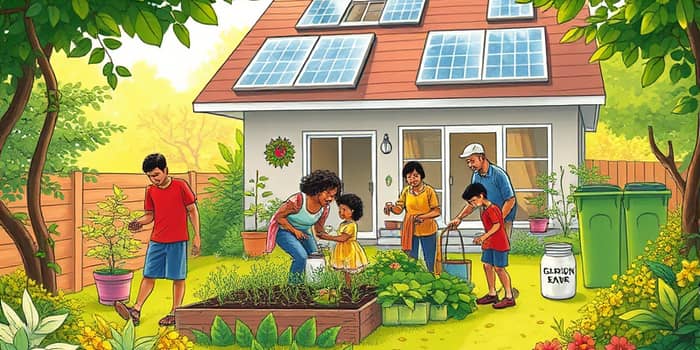
Families today juggle rising costs, environmental concerns, and the desire to leave a lasting legacy.
By adopting sustainable spending practices, every household can secure its future while caring for the planet.
At its core, sustainable family budgeting means combining practical financial management with environmental awareness. It begins with tracking all sources of income and recording every expense, from mortgage payments to a child’s ice cream treat.
By choosing second-hand toys and homemade items, families cut waste and free up resources for experiences rather than clutter.
Simple swaps and conscious habits can lead to both environmental and financial gains. For instance, planning weekly meals reduces food waste and avoids impulse purchases at the grocery store.
Implementing energy-efficient bulbs and solar panels leads to lower energy bills and supports renewable power.
Instead of rigid spending rules, align your budget with core values and evolving family priorities. This approach invites flexibility and prevents burnout caused by restrictive plans.
Automate transfers to savings accounts or eco-investments on payday. Small, regular contributions to a fund for solar upgrades or a hybrid vehicle create momentum over time.
Review budgets quarterly and annually for patterns to stay on track and adapt to life changes, such as a new job or expanding family.
Engaging everyone in financial decisions fosters accountability and shared responsibility. Hold monthly family meetings to review spending habits and brainstorm green alternatives for routine expenses.
Introduce an allowance system split into three parts. Adopting a Spend, Save, Give allowance split teaches children how to balance enjoyment, future planning, and generosity.
Setting clear objectives for the next five to ten years turns abstract aspirations into actionable plans. Consider goals like paying off the mortgage, saving for college, installing solar panels, or taking sustainable vacations.
Develop benchmarks and key performance indicators (KPIs) such as percentage of income saved or reduction in monthly carbon footprint. Create a simple governance structure assigning roles for decision making and tracking progress.
Building renewable energy and eco-investments secures wealth sustainably and contributes to a healthier planet for the next generation.
Effective tools turn good intentions into consistent behaviors. Choose budgeting apps or simple spreadsheets that categorize expenses and show spending patterns at a glance.
Maintain a detailed shopping list before each store trip to avoid impulse buys. Celebrate small victories—like hitting a quarterly savings target or reducing waste by a set percentage—to keep motivation high.
Ultimately, the journey to sustainable spending is both practical strategy for sustainable long-term financial security and a meaningful way to model eco-conscious habits for children. By weaving together mindful budgeting, family collaboration, and green living, households can thrive financially while protecting the planet for future generations.
References