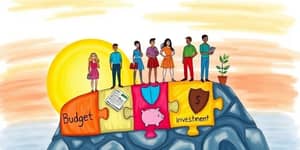
Economic emancipation represents more than a personal financial victory—it is the collective journey toward autonomy, equity, and systemic change. As global uncertainties grow, individuals and communities seek pathways that transcend short-term gains, aiming for deep transformation and resilience.
By exploring historical examples, contemporary challenges, and practical strategies, we can chart a path from dependency to empowerment. This article offers an inspiring roadmap for anyone ready to claim true financial freedom.
At its core, economic emancipation means freedom from oppression and dependency in the economic realm. It implies complete liberation from systemic oppression rather than temporary relief, focusing on lasting autonomy and control.
Key concepts include financial independence, sustainable livelihoods, and equitable structures that ensure fair opportunity for all.
Economic emancipation has deep historical and philosophical foundations. In post-independence India, leaders like Rajaji championed self-sufficiency through cottage industries and local credit systems, striving for community-driven economic autonomy.
Across the Atlantic, the U.S. emancipation of enslaved people unleashed tremendous economic gains. Researchers estimate these reforms equated to decades of 19th-century technological progress, underscoring the power of human capital once freed from bondage.
Post-colonial efforts such as Africa’s Lagos Plan of Action further illustrate ambitions for structural transformation, advocating development policies that prioritize local control over resources and production.
In 2026, Americans navigate a complex mix of optimism and concern. Inflation remains sticky, job markets slow, and many redefine success around stability rather than rapid wealth-building.
Surveys reveal:
Despite challenges, 82% of respondents remain somewhat or very confident about reaching their objectives, and 44% act immediately on New Year’s resolutions.
Achieving economic emancipation requires both personal initiative and systemic support. Consider these essential strategies:
Inflation, debt anxiety, and uneven access to resources can derail even the best-laid plans. Recognize these obstacles and prepare to address them:
1. Inflationary pressures erode purchasing power—review expenses quarterly and adjust budgets.
2. Debt stress impacts mental health—seek support groups or counseling to maintain balance.
3. Limited access to high-quality financial advice—leverage free community resources and nonprofit programs.
By confronting these issues directly, individuals can reinforce both their financial and emotional well-being.
Economic emancipation is not an endpoint but an ongoing journey toward self-determination and shared prosperity. When individuals and communities secure control over economic resources, they unlock opportunities for innovation, growth, and lasting stability.
Whether you aim to pay off debt, build a thriving emergency fund, or champion systemic reforms, every step brings you closer to sustainable financial independence. Let this vision of true freedom guide your actions, inspire collective progress, and redefine the American Dream for generations to come.
References